

Planning for sustainable travel: Key to future major sports events

Maybe I shouldn’t be too fascinated by this, but last week saw an entirely coincidental but relevant coming together of news that highlighted the growing contradiction between transport, sustainability and the success of major sporting and entertainment events.
So what were the things on my radar over the last 7 days:
- the first was an insightful webinar hosted by Modeshift, the UK’s premier membership association for those engaged in sustainable travel planning, focused on spectator and audience travel. The discussion explored how people travel to and from events, the challenges this creates for host cities and organisers, and the opportunities to encourage more sustainable travel behaviour.
- the second came through the King's Speech, where the UK Government announced plans for a new Sports Bill that will include much greater emphasis on integrated transport planning requirements for major sporting events in the UK, and
- the third was a newspaper headline from a USA city hosting several matches in the forthcoming FIFA Football World Cup where an official was calling on fans to drive to the stadium.
In isolation these things are interesting. Taken together, they feel connected, relevant and significant.
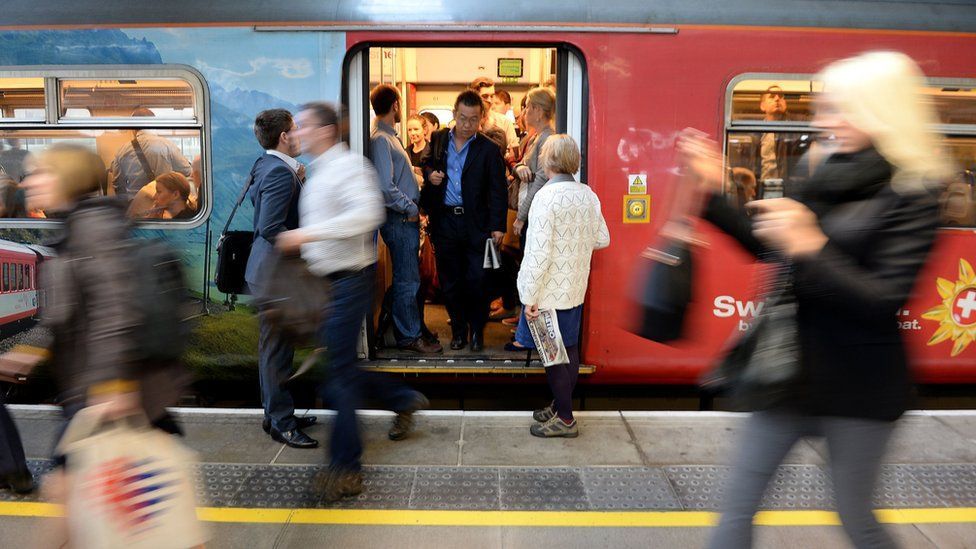
For many years, transport has been treated as a logistical consideration that sits alongside an event rather than at the centre of it. Yet anyone who has attended a major football match, concert, festival or international sporting competition knows that the travel experience shapes the entire event experience. Congested roads, overcrowded stations, limited accessibility and poor communication can quickly overshadow what happens inside the venue itself.
At the same time, the pressure on towns and cities to reduce emissions and encourage sustainable travel continues to grow. Major events can generate thousands — sometimes tens of thousands — of additional journeys in a short period of time. Without careful planning, the environmental and operational impacts can be significant.
That is why the conversations taking place now matter. It also shines a light on the need for all major sports events rights holders to put a microscope on their sustainable travel credentials - particularly for the local journeys to a venue - acknowledging that the debate about international air travel for these events will rage on.
The Modeshift webinar discussions in the UK reinforced that good spectator travel planning is not simply about moving people efficiently. It is about creating a joined-up experience that considers accessibility, active travel, public transport integration, safety, communication and behaviour change. Successful events increasingly rely on partnerships between event organisers, local authorities, transport operators and communities.
The announcement of a new Sports Bill also signals a broader recognition from UK Government that transport planning should be embedded into how major events are delivered. If implemented effectively, this could help establish clearer expectations around sustainable transport, crowd management and coordination between stakeholders.
There is also an opportunity here to think beyond individual events. Investments in transport infrastructure, active travel routes and public transport improvements made for major sporting occasions can leave a lasting legacy for local communities long after the final whistle or closing ceremony.
The headline from the USA should ofcourse be taken with a pinch of salt but it does underline a principle. In reality the click-bait was the result of an individual official feeling the need to ‘correct’ what they believed to be a misleading announcement by another stakeholder. What it demonstrated again however is the importance of a collaborative, aligned and consistent view across stakeholders to designing, defining and activating the agreed policy and narrative.
Of course, policy alone will not solve every challenge. Delivering effective transport plans still requires funding, collaboration, data sharing and early engagement between all parties involved. But it is encouraging to see the conversation moving in the right direction with the UK government announcement.
As the UK continues to host major sporting and cultural events, transport cannot remain an afterthought. It is fundamental to accessibility, sustainability, public safety and overall event success. Linking these priorities can and should help unlock a more holistic approach to funding and governance.
This week’s discussions and announcements in the UK suggest that this understanding is beginning to gain momentum — and that can only be a positive step forward which hopefully the industry at large can get behind.